


 Sea Beach
What Is a JAMstack CMS?
A JAMstack CMS is a content management system designed to work seamlessly with the JAMstack architecture:
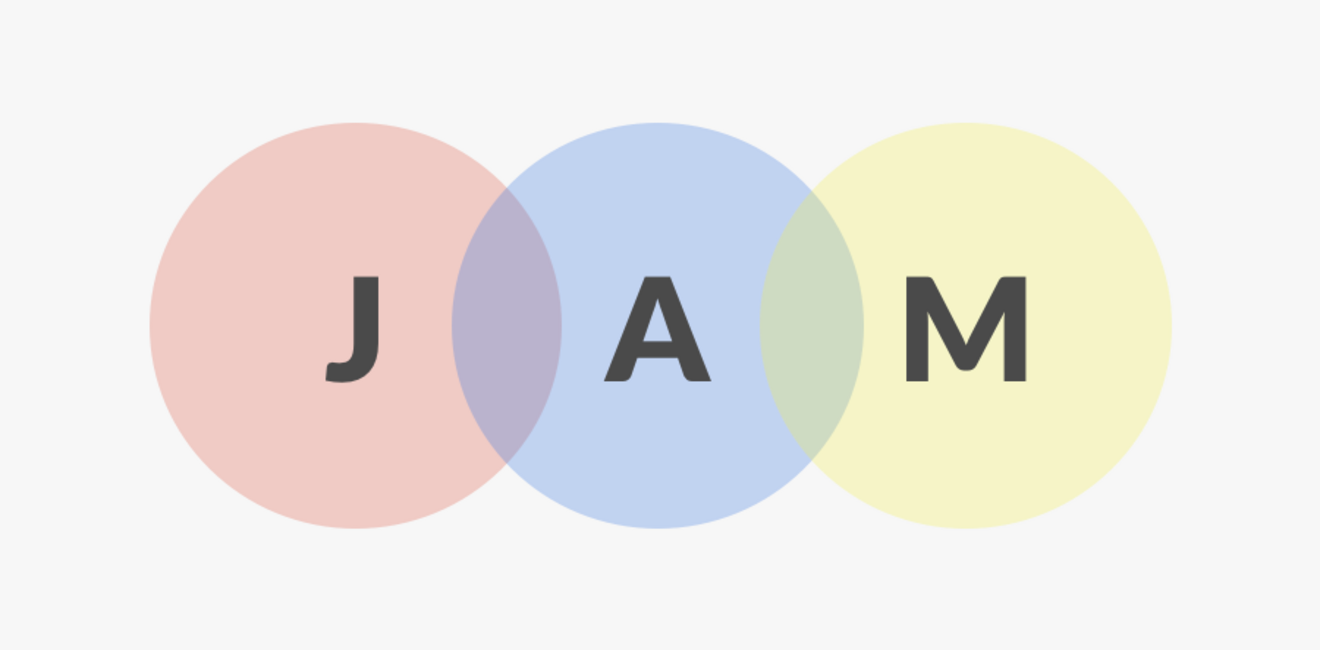
- J – JavaScript
- A – APIs
- M – Markup
Unlike traditional CMS platforms, a JAMstack CMS is usually headless, meaning the backend (content management) is completely decoupled from the frontend (website display).
Content is delivered via APIs, while the frontend is generated as static files using frameworks like Next.js or Gatsby, resulting in exceptional performance and security.
Why JAMstack CMS Is Better Than Traditional CMS Platforms
1. Speed That Google Loves
Static files load faster than server-rendered pages. JAMstack sites often achieve near-perfect Core Web Vitals scores, which directly impacts SEO rankings.
2. Enhanced Security
With no direct database or server exposure, JAMstack CMS platforms drastically reduce attack surfaces.
3. Scalability Without Stress
JAMstack websites scale effortlessly using CDNs, making them ideal for high-traffic websites.
4. Developer Freedom
Developers can choose their preferred frontend framework while content editors work independently.
5. Better SEO Control
A SEO-friendly JAMstack CMS gives complete control over metadata, structured data, and page optimization.
Headless CMS + JAMstack: A Perfect Match
A headless CMS for JAMstack acts as a centralized content hub. Content is stored once and distributed across multiple platforms such as websites, apps, and marketing tools.
Popular headless CMS platforms integrate seamlessly with JAMstack frameworks, enabling:
- Omnichannel publishing
- Faster content updates
- Automated builds
- Version control integration
This architecture is ideal for modern content strategies.
Best JAMstack CMS Platforms You Should Know
Choosing the best JAMstack CMS depends on your project requirements. Below are some of the most trusted and widely used options.
1. Strapi JAMstack
Strapi is an open-source headless CMS known for its flexibility and customization.
Key Benefits:
- Self-hosted or cloud-based
- REST & GraphQL APIs
- Works well with Next.js and Gatsby
- Ideal for custom projects
Best For: Developers who want complete backend control.
2. Contentful JAMstack
Contentful is a powerful enterprise-grade CMS designed for scalability.
Key Benefits:
- Highly structured content
- Excellent API performance
- Strong editorial workflows
- Enterprise security
Best For: Large organizations and high-traffic platforms.
3. Sanity JAMstack
Sanity offers real-time collaboration and structured content editing.
Key Benefits:
- Real-time updates
- Flexible content modeling
- Great developer experience
- Modern UI
Best For: Content-heavy and editorial websites.
4. Netlify CMS JAMstack
Netlify CMS is a Git-based CMS ideal for static websites.
Key Benefits:
- Works directly with Git repositories
- No database required
- Simple content editing
- Easy setup
Best For: Static blogs and documentation sites.
JAMstack CMS
A JAMstack CMS is becoming the preferred choice for modern bloggers and content creators.
Why JAMstack Blogging Is Growing:
- Faster page loads improve reader retention
- Better SEO rankings
- No server maintenance
- Easy content versioning
- Improved security
Popular combinations include:
- Next.js + Contentful
- Gatsby + Sanity
- Next.js + Strapi
JAMstack with Next.js: The Industry Favorite
JAMstack with Next.js offers a perfect balance between static generation and dynamic rendering.
Advantages:
- Incremental Static Regeneration (ISR)
- API routes
- Built-in SEO optimization
- Excellent developer ecosystem
Many modern websites use Next.js with a headless CMS to achieve both speed and flexibility.
JAMstack with Gatsby: Built for Static Excellence
Gatsby is designed specifically for static sites.
Why Choose Gatsby:
- Optimized build process
- Plugin ecosystem
- Image optimization
- SEO-friendly by default
Gatsby works best with content-rich websites that don’t require frequent real-time updates.
Static Site CMS vs Traditional CMS
|
|
|
|
|
|
|
|
|
|
|
|
|
|
|
|
|
|
|
|
|
|
|
|
This comparison clearly shows why JAMstack CMS platforms are dominating modern web development.
SEO-Friendly JAMstack CMS: How It Helps You Rank
Search engines prioritize performance, structured data, and user experience—all strengths of JAMstack CMS.
SEO Benefits Include:
- Faster load times
- Better Core Web Vitals
- Clean URLs
- Schema markup support
- Custom meta tags
- Better mobile performance
When configured properly, a JAMstack CMS becomes a powerful SEO asset.
JAMstack Blogging Platform for Content Marketers
Modern marketers prefer JAMstack blogging platforms because they offer:
- Faster publishing cycles
- Better content performance tracking
- Improved lead conversion rates
- Easy A/B testing
- Seamless analytics integration
Content marketing is no longer about just publishing—it’s about performance, and JAMstack delivers exactly that.
How JAMstack CMS Helps Generate Leads
A JAMstack CMS supports lead generation through:
- Faster landing pages
- Better UX/UI
- Improved trust signals
- SEO-optimized content
- Integrated forms and APIs
Visitors are more likely to convert when pages load instantly and content feels seamless.
Latest JAMstack CMS Trends in 2026
1. AI-Powered Content Editing
Many JAMstack CMS platforms now support AI-assisted content creation.
2. Omnichannel Content Delivery
One CMS, multiple platforms—web, mobile, and apps.
3. Edge Rendering
Content is delivered from locations closest to the user.
4. Composable Architecture
CMS + search + analytics + personalization.
5. Headless Commerce Integration
JAMstack CMS is now powering eCommerce experiences.
Who Should Use a JAMstack CMS?
A JAMstack CMS is ideal for:
- Bloggers
- Startups
- SaaS platforms
- Marketing teams
- Agencies
- Content creators
- SEO professionals
If performance, SEO, and scalability matter, JAMstack is the right choice.
Final Thoughts: Is JAMstack CMS Worth It?
The shift toward JAMstack CMS platforms is not a trend—it’s a long-term evolution of how websites are built and managed.
With benefits like speed, security, SEO optimization, and flexibility, JAMstack CMS solutions are redefining digital experiences. Whether you’re launching a blog, scaling a content platform, or future-proofing your website, choosing the right headless CMS for JAMstack can give you a serious competitive advantage.
Need Expert Guidance?
If you’re exploring JAMstack CMS solutions or want insights into choosing the best setup for your project, you can connect with experienced professionals:
Contact Us
📧 inforscoder@gmail.com
📞 +91 9318461745
🌐 rscoder.org
A JAMstack CMS combines the power of static site generation with the flexibility of headless content management systems. It allows developers and content creators to build lightning-fast websites without compromising on content control, SEO, or scalability. Whether you are building a blog, a marketing website, or a content-heavy platform, choosing the right CMS for JAMstack sites can significantly impact performance, search rankings, and user experience. This guide explores everything you need to know about JAMstack CMS platforms, including popular tools, real-world use cases, SEO benefits, and future trends.
JAMstack CMS: The Future-Ready Content Management System